Important Succession Planning for Mature Individuals: Ensuring Your Cherished Inheritance
Estate planning is a critical procedure for seniors, serving as a protection for their inheritance. It involves more than just drafting a will; it encompasses an extensive evaluation of assets and healthcare preferences. By understanding the nuances of wills, trusts, and directives, seniors can guarantee their wishes are respected. However, common pitfalls can complicate these plans. Exploring these elements can clarify the significance of a properly organized estate plan. What steps should seniors prioritize to protect their legacies successfully?
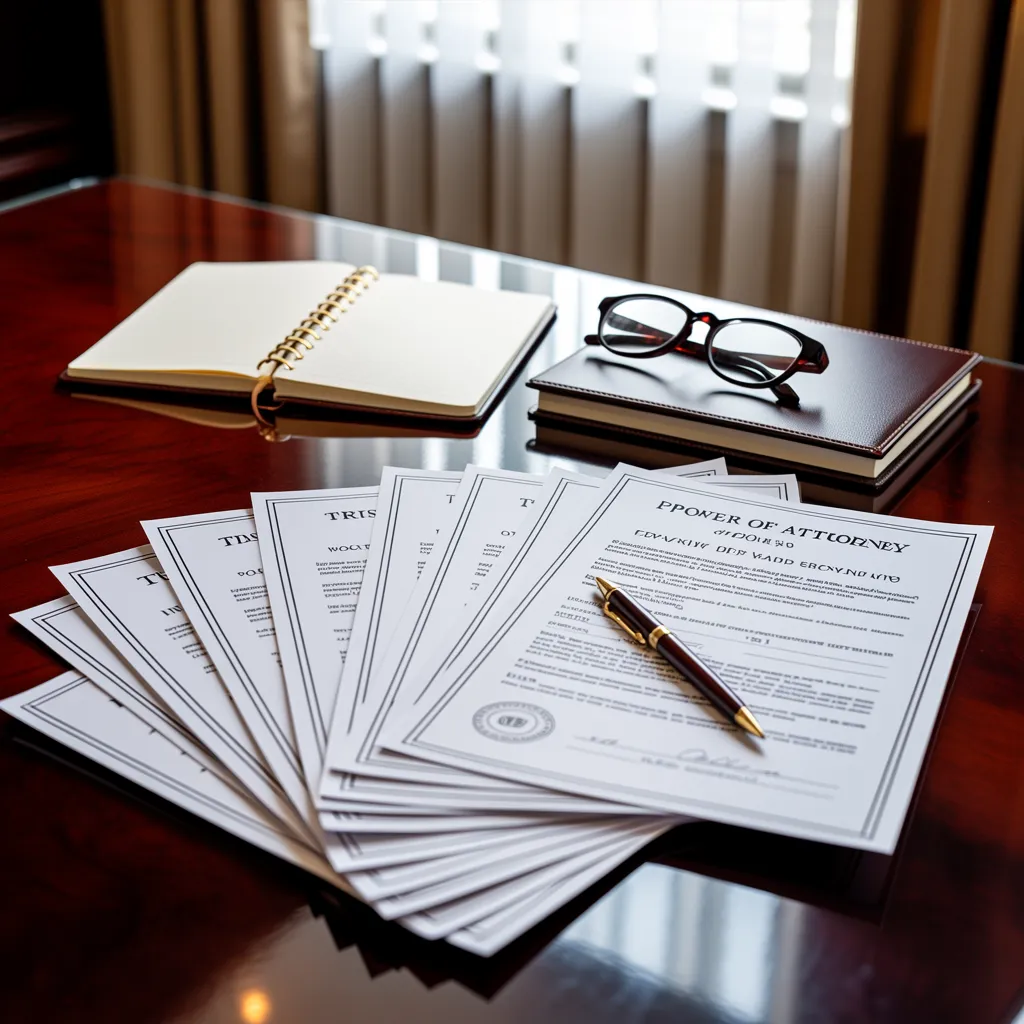
Getting to Know the Fundamentals of Property Planning for Seniors
Learning the fundamentals of estate planning for seniors is necessary, as it guarantees that their wishes are respected and their holdings are distributed according to their preferences. This undertaking includes a collection of important phases to ensure that monetary and legal concerns are handled efficiently. Seniors should start by assessing their holdings, such as properties, bank accounts, and personal belongings, to develop a clear understanding of their estate's value. Next, they need to consider their healthcare preferences, which can be documented through advance directives or powers of attorney. Identifying beneficiaries and making sure that they are aware of their roles is also important. By informing themselves about relevant laws and potential tax consequences, seniors can make sound decisions. Ultimately, a comprehensive wealth plan not only secures their legacy but also reduces potential anxiety visit this page for family members during challenging times, allowing for a smoother shift of assets.
Estate Preparation: The Role of Wills and Trusts
In wealth management, trusts and wills offer distinct but complementary functions. Comprehending the role of wills, plus the advantages and categories of trust vehicles, is vital for prudent wealth handling. Emphasizing the principal differences between these resources can enable mature individuals to decide thoughtfully regarding their estate planning methods.
Learning Wills' Reason
Wills serve as essential elements in wealth distribution planning, operating as key legal instruments that dictate how an one's assets will be dispersed upon their death. They give transparent guidance, guaranteeing that the departed's wishes are upheld, which can help prevent family disagreements. A will allows individuals to appoint heirs, indicate particular assets for specific recipients, and even name guardians for underage kids. This formal arrangement also simplifies the probate proceedings, facilitating for executors to oversee and allocate the estate. Additionally, wills can feature burial preferences, expressing personal preferences. At the end of the day, grasping the purpose of a will is crucial for seniors attempting to preserve their legacy and ensure their plans are executed after their death.
Trusts: Benefits and Types
While wills offer important directives for asset distribution, trusts deliver further layers of flexibility and security in estate planning. Trusts aid in managing assets throughout a person’s life and ensure a seamless passage after death, reducing probate needs. They can be tailored to specific requirements, including special needs trusts for dependents or charitable trusts supporting causes. Furthermore, revocable trusts permit modifications as circumstances change, while irrevocable trusts offer asset protection and tax benefits. By employing trusts, seniors retain control over their assets, safeguard their legacies, and provide for loved ones in a structured way, enhancing the overall effectiveness of their estate planning strategies.
Main Variations Detailed
Both wills and trusts serve important purposes in estate planning, though they differ notably in their structure and role. A will is a legal document designating how an individual’s assets will be distributed upon death, requiring probate to validate its terms. This procedure can be prolonged and is public, which may delay asset distribution. In contrast, a trust allows assets to be transferred during the grantor’s lifetime, avoiding probate and enabling a smoother transfer of wealth. Trusts provide greater privacy and control, with terms that can be crafted to meet specific requirements. Additionally, trusts offer benefits like tax advantages and asset protection, making them a versatile instrument for comprehensive estate planning compared to the more direct approach of a will.
Important Healthcare Documents Every Senior Must Contemplate
In estate planning, healthcare directives are paramount for seniors to assure their medical wishes are honored. Living wills and powers of attorney are a pair of critical elements that offer clarity on healthcare decisions when individuals may be unable to communicate their wishes. Proper understanding of these directives can significantly affect the care quality and peace of mind for both seniors and their families.
Living Wills Detailed
Numerous seniors may encounter important medical choices as they age, rendering advance directives an essential component of their end-of-life planning. A living will is a formal agreement that details an person's preferences for medical treatments and procedures in the case they cannot express their wishes. This document helps direct healthcare providers and loved ones, guaranteeing that an individual's desires regarding life-sustaining measures, comfort care, and other healthcare treatments are respected. By addressing situations such as end-stage disease or irreversible conditions, advance directives offer clarity and peace of mind. Older adults should consider discussing their preferences with family members and medical experts to ensure their advance directive truly represents their beliefs and desires.
A Grant of Legal Authority enables an individual to act on your behalf.
Many seniors gain advantages by establishing a Power of Attorney (POA) to ensure their medical choices align with their values when they can no longer speak for themselves. A POA allows individuals to designate a reliable individual to handle healthcare decisions on their behalf, respecting their preferences. This vital document can address particular therapies, terminal care, and organ donation choices. By appointing a healthcare agent, seniors can reduce the burden on family members who might grapple with challenging decisions during an emergency. It is crucial for seniors to talk about their wishes frankly with their chosen agent and loved ones, promoting comprehension and reducing potential conflicts. Creating a Power of Attorney (POA) strengthens the overall legacy planning structure, enhancing peace of mind for older adults and their loved ones.
Determining the Suitable Executor: Factors for Evaluation
Determining the right executor is an vital step in estate planning, as this party will be responsible for overseeing the distribution of assets and guaranteeing that the deceased's wishes are respected. When determining an executor, it is important to evaluate their dependability, organizational capability, and ability to stay impartial during emotionally challenging situations. The perfect candidate should have a good understanding of financial matters and legal procedures to navigate any challenges that may arise. Additionally, determining someone who is accessible and willing to take on the duties is important, as this position can be time-consuming. Reliability is essential, as the representative will handle sensitive information and render important choices on behalf of the estate. It may also be advantageous to select an representative who is located nearby, guaranteeing easier communication and cooperation throughout the estate settlement process.
Common Pitfalls to Avoid in Legacy Planning
Picking an administrator is one among several considerations that can shape the effectiveness of an estate plan. One common mistake seniors make is postponing drafting or revising their estate planning documents, which can lead to unforeseen problems. Additionally, not discussing their preferences with family members can result in misunderstanding and discord after their passing. Many also miss tax implications, which could alter the estate's overall value.
A typical oversight is not revisiting their plans after major life changes, such as marriage, divorce, or the birth of a child, which can render previous documents obsolete. Finally, neglecting to account for digital assets, such as online accounts and cryptocurrencies, may cause problems in asset distribution. By avoiding these challenges, seniors can help guarantee that their estates are maintained according to their wishes.
Guidance on Reviewing and Modifying Your Estate Plan
Regularly assessing and modifying an estate plan is essential for guaranteeing that it properly represents an individual's current wishes and circumstances. Seniors should establish a routine review, ideally every three to five years or after major life changes, such as marriage, divorce, or the birth of a grandchild.
In the course of the review, it's vital to validate beneficiary designations on accounts and coverage plans, as these take precedence over wills. Seniors should also reconsider their designated estate administrator or trustee to verify they continue to be fitting for the role.
Legal and tax regulations may shift, impacting the estate plan's efficiency; therefore, speaking with an estate planning attorney can provide valuable insights. Additionally, discussing plans with family members can mitigate confusion and promote transparency. By following this approach, seniors can help protect their legacy and ensure their estate plan remains consistent with their intentions.

Popular Inquiries Asked Often
What Approaches Can I Employ to Lower Estate Taxes Affecting My Heirs?
To reduce estate taxes for heirs, one can implement strategies such as making gifts to beneficiaries throughout one's life, establishing trusts, and taking advantage of tax exemptions and deductions available under current tax laws to reduce taxable estate value.
What happens if I die without an estate planning document?
In the event someone passes away without an estate plan, their assets are distributed under state laws, possibly causing unintended heirs, probate slowdowns, and increased tax obligations, eventually complicating matters complicated for beneficiaries and family members.
Can I Amend My Estate Plan Following It's Already Created?
Yes, an individual can change their estate plan after it has been put in place. Consistent reviews and updates guarantee that the plan embodies current wishes and circumstances, addressing any developments in personal or financial situations.
How Often Should I Check My Beneficiaries?
Named heirs ought to be checked at least annually or when significant life changes occur, such as nuptials, marital dissolution, or welcoming a new child. Consistent updates confirm that your goals stay in line with existing conditions and relationships.
What Represents the Responsibility of a Financial Advisor in Estate Planning?
A money professional assists with estate planning by evaluating assets, offering tax approaches, and confirming beneficiaries are appropriately designated. They also help individuals navigate complexities, coordinating estate plans with monetary objectives and personal wishes successfully.